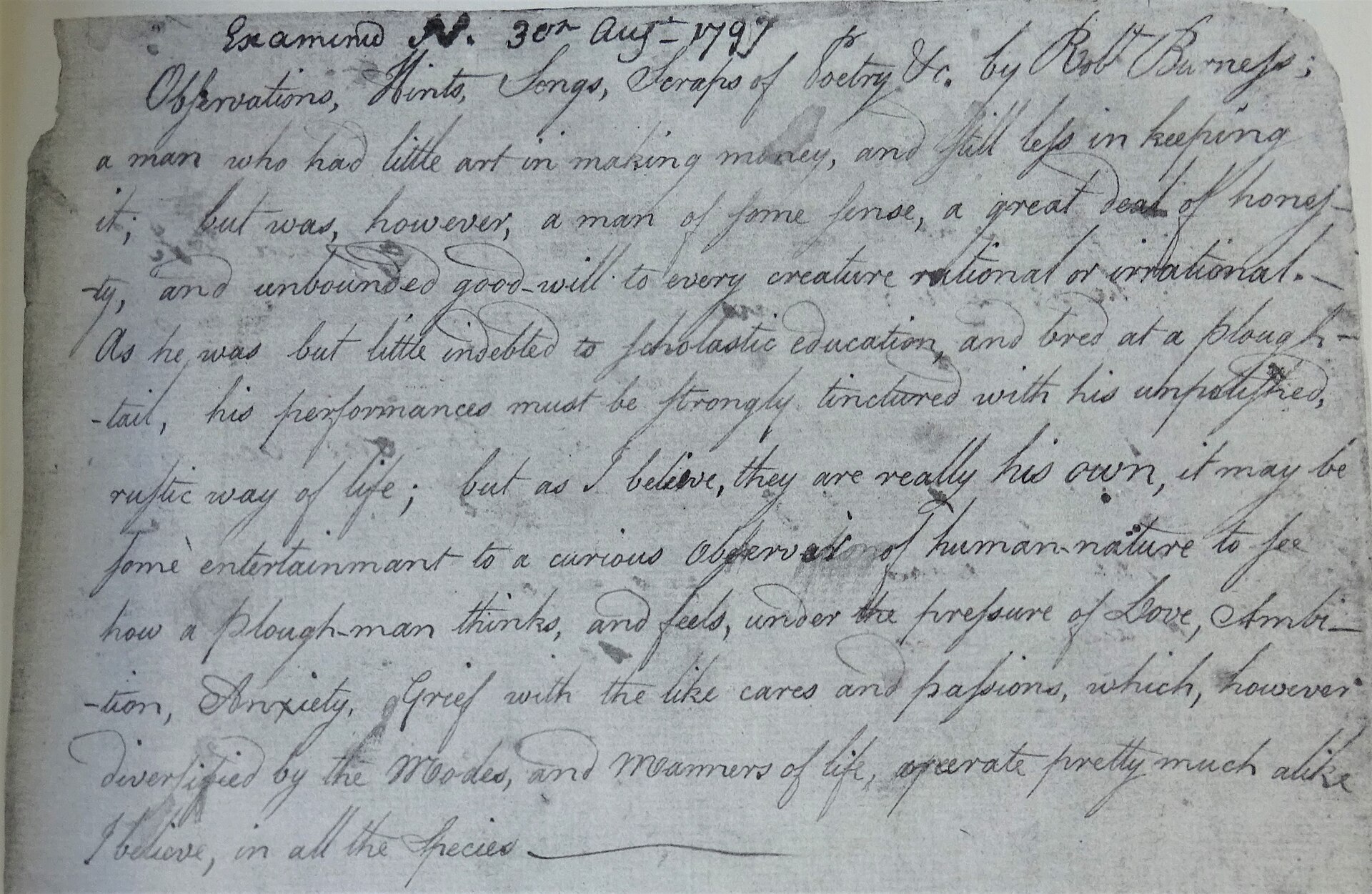
Commonplace books — personal repositories for collecting quotes, ideas, proverbs, and observations — trace their origins to ancient Greece and Rome. The term derives from the Greek koinoi topoi (κοίνοι τόποι), meaning common places, a concept attributed to Aristotle around 335 BC, where speakers gathered arguments for reference in debates and speeches.
Roman philosophers like Cicero and Quintilian expanded this to include sententiae — wise sayings — from respected sources as exemplars. These early compilations served as intellectual toolkits, aiding rhetoric and philosophy in an era before widespread printing.
During the Middle Ages and Renaissance, commonplace books evolved into structured manuscripts, flourishing in Europe amid the information surge from the printing press. By the 16th century, especially in England, they became widespread among the literate elite as a defense against the "multitude of books," allowing readers to extract and organize valuable passages under thematic headings. This period marked their formalization as an academic tool; universities like Oxford taught commonplaceing to students, emphasizing digestion and reordering of texts. The practice aligned with humanist ideals, promoting active engagement with literature and fostering critical thinking. As printing democratized knowledge, commonplace books transitioned from private aids to occasionally published works, influencing public discourse. Authors like John Milton and E. M. Forster even had their commonplace books published.
A pivotal advancement came in the 17th century with John Locke's innovative system for organizing commonplace books. First outlined in French in 1685 and translated into English in 1706 as A New Method of Making Common-Place-Books, Locke outlined techniques for indexing entries by letters and vowels, creating a flexible "supplemental memory" for quotations, ideas, and speeches. Locke wrote:
"We extract only those Things which are Choice and Excellent, either for the Matter itself, or else the Elegancy of the Expression, and not what comes next."
John Locke, A New Method of Making Common-Place-Books (1706)
This method built on predecessors like John Milton's mid-century commonplace book and addressed the growing volume of information during the Enlightenment. Locke's approach made commonplacing more efficient, turning it into a standardized practice for scholars and poets. Jonathan Swift later endorsed it in 1720 as essential for writers, likening it to a record of daily reading and conversation.
Throughout the 18th and 19th centuries, commonplace books played a crucial role in intellectual and creative life, used by notable figures such as Napoleon Bonaparte, Lewis Carroll, Virginia Woolf, and ordinary people alike. They served as personal encyclopedias, capturing recipes, psalms, poems on friendship and loss, and reflections on daily experiences. In education and self-improvement, they encouraged reflective reading and knowledge synthesis, helping individuals navigate industrialization's information explosion. Women, often excluded from formal education, found them empowering for intellectual pursuits. Commonplacing had become a staple for organizing wisdom, bridging private reflection and public expression by the end of the century.
We even find commonplacing in prominent fiction — in Arthur Conan Doyle's Sherlock Holmes short story The Adventure of the Veiled Lodger from The Case-Book of Sherlock Holmes, Holmes maintains a commonplace book filled with clippings, notes, and references on crimes, forgers, and criminology. He uses it as a reference tool during investigation.
The 20th century saw a decline in traditional commonplace books, nearing extinction as typewriters, digital tools, and mass media shifted note-taking habits. The rise of journals and diaries emphasized personal narrative over curated excerpts, while information overload favored quick references over methodical compilation. By mid-century, they were largely forgotten outside academic circles, overshadowed by modern productivity methods.
In recent years, commonplace books have seen a notable revival, particularly with writers and philosophers. This resurgence revives an ancient practice as a mindful antidote to digital distraction and constant consumption — drawing on roots that stretch back to figures like Cicero and other classical thinkers.
The enduring wisdom of this tradition remains as relevant today as ever: it shifts us from passive consumption to quiet reflection and curation.
What passages, ideas, or thoughts have touched your spirit deeply enough to earn a permanent place in your own commonplace book?
If you cultivate this practice consistently, it will gradually become something you cherish deeply. As you read, reread, and reflect on the passages you've chosen to preserve, they may even settle into your memory over time. Far from being a fruitless exercise, commonplacing yields lasting rewards — deepening your understanding, sharpening your insight, and enriching your personal growth in ways that unfold quietly but powerfully.
Marcus Aurelius's Meditations stands as one of the most profound examples of the ancient practice of commonplacing in action. Written not for publication but as private notes to himself, the work consists of personal reflections, reminders, Stoic principles, and excerpts drawn from his studies, teachers, and daily experiences — much like a commonplace book where one collects resonant ideas, quotes, and observations for later reflection and self-improvement. This intimate form of curation transformed raw thoughts into a timeless guide for living virtuously, shifting from passive consumption of philosophy to active, mindful engagement with it. In this way, Meditations embodies the core essence of commonplacing: a deliberate gathering of wisdom that resonates personally, serving as a lifelong tool for inner growth and resilience amid the chaos of empire and life itself.